
Art
Art begins in silence, in observation, feeling, and reflection. It is a space where children learn to recognize their inner world and give it form.
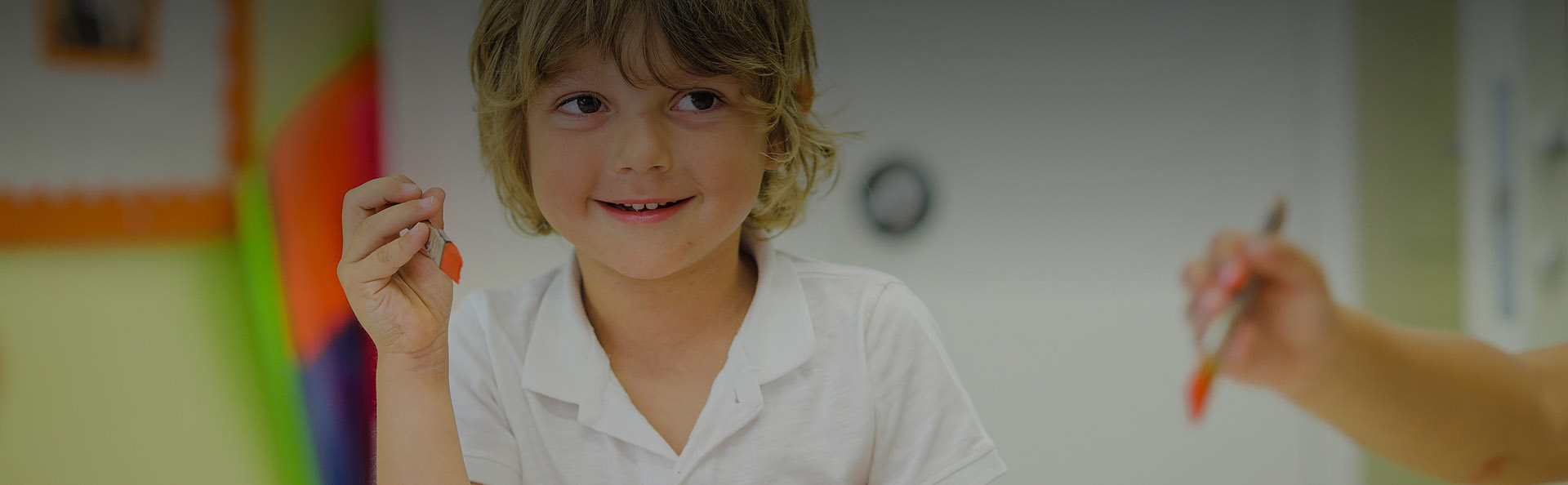
Therefore, the Art Program nurtures emotional intelligence by offering students a visual language through which thoughts, feelings, and ideas can emerge freely. Through drawing, painting, sculpting, and mixed media, children learn that expression does not always require words, and that emotions can be acknowledged, transformed, and shared through images and symbols.
Art history enriches this process by connecting students to artists across time and cultures, helping them see that human beings have always used art to question, communicate, and make sense of the world. Encountering different artistic voices encourages empathy, perspective, and critical thinking.
Within the art room, there is no single “right” way to create. Each child is supported in developing confidence in their choices, learning to trust their intuition, and discovering art as a personal and meaningful form of communication. The goal is not to produce artists, but to raise individuals who are emotionally aware, visually literate, and capable of expressing who they are with depth and intention.